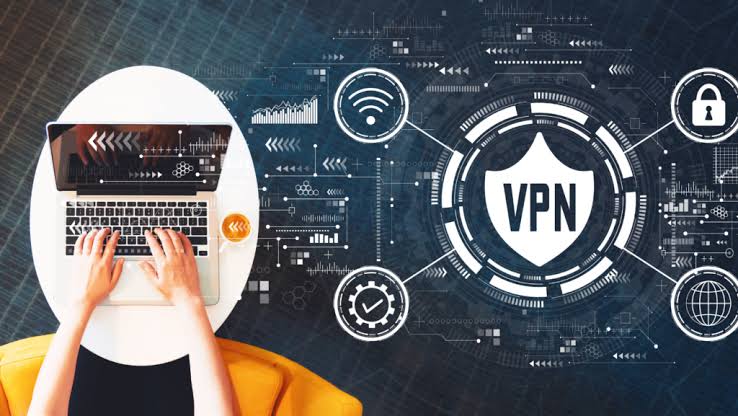
With more and more time spent online, whether it is for work, shopping, banking, entertainment, or just communication, safeguarding personal information has become an important issue. Privacy is a growing concern as there is a growing risk that cybercriminals, advertisers, internet service providers (ISPs), or third parties obtain or track online activity. Virtual private networks are one of the best tools to improve people’s privacy in the online world.
VPNs are used to provide a more secure link when using the internet. They help to secure internet traffic and obfuscate the IP address of its user, making it harder for unauthorized parties to track the user’s browsing history or steal sensitive data. VPNs can help secure your online presence in various ways, such as using public Wi-Fi networks, working remotely, or simply seeking greater online privacy.
What is a VPN?
VPN is an acronym that stands for Virtual Private Network. They’re security technologies that create an encrypted connection between a user’s device and a remote server that’s managed by a VPN provider. Your internet traffic goes through the secure VPN server before going to websites or online services.
It helps secure your confidential data, conceals your real IP address, and scrambles data in between your system and the VPN server. This makes it much harder for anyone else to see what you’re doing online or know where you are physically.
VPN services are much utilized for boosting the online privacy and internet security of individuals, companies, and organizations.
How Do Virtual Private Networks Work?
VPN’s main role is to create a secure tunnel for Internet traffic.
A VPN will encrypt data before sending it over the internet when it is activated on your device. The information is encrypted before it goes through the VPN server and is sent to the desired destination. The VPN server’s IP is displayed on websites and online services rather than your own IP.
The data is encrypted while being sent, making it more difficult for anyone trying to intercept or misuse it, even if they’re on an unsecured public Wi-Fi network.
VPN – How Much Does it Protect Personal Privacy?
Most of the privacy advantages of virtual private networks are that they conceal your IP address. Your IP address can give an approximate location and could be used to monitor your online actions over various websites.
Virtual private networks (VPNs) help mitigate exposure of identifiable information while you’re surfing the web by hiding your true IP address by routing it through the IP address of the VPN server.
Encryption can also be used to safeguard information like logins, email messages, financial data, and private communications from being easily hacked or taken as they pass.
While a VPN enhances privacy, it doesn’t actually make users totally anonymous online. Even if you take some extra steps to protect your privacy, websites, browser settings, cookies, and account logins can gather information.
What is the Benefit of Using a Virtual Private Network on a Public Wi-Fi Network?
Airports, hotels, coffee shops, libraries, and other public places are frequently places where public Wi-Fi is available, but it can be a security risk.
At times, cybercriminals will try to “listen in” on unsecured wireless networks to steal information being sent by devices connected to them. One way to minimize this risk is to use a virtual private network to encrypt internet traffic before it passes through the public network.
This is an extra security step that is particularly important when logging in to online banking, business accounts, email, or any activity that has to do with sensitive personal information.
In what ways do Virtual Private Networks (VPNs) Benefit Remote Employees?
In recent years, remote working has grown tremendously in importance, and secure internet access is paramount.
Virtual private networks are used by many businesses to enable their employees to securely access business resources from their home or whilst travelling. The encrypted connection ensures that sensitive business data is kept safe, and minimizes the chance of any unauthorized access.
VPNs can also be used to provide employees with secure access while they are travelling to hotels, co-working spaces, or public WiFi.
What are the Advantages of Virtual Private Networks?
People opt for using virtual private networks for many reasons, such as:
- Improved online privacy
- Encrypted internet connections
- Protection on public Wi-Fi networks
- Less visibility of personal IP addresses
- Provide secure remote access for business
- More secure web banking and shopping
- Improved security against some network interception attacks
- Internet privacy is enhanced
VPNs offer many benefits to those who want to improve their online safety and privacy, making them valuable tools for both businesses and users.
What are the Drawbacks of VPNs?
VPNs provide valuable privacy features, but they aren’t foolproof cybersecurity solutions.
A VPN cannot shield users from malware, phishing attacks, poor passwords, fraudulent sites, or unsafe downloads. While these tools offer enhanced security, users should maintain good cyber hygiene practices, including regular software updates, the use of robust passwords, multi-factor authentication, and avoiding suspicious links.
The performance of a VPN can also depend on where the servers are located, how fast the internet connection is, and the type of VPN infrastructure that the VPN provider has. Some services might slow down your browsing speeds due to encryption.
It’s also crucial to select a reliable VPN service provider, since they can vary in data management, security measures, and privacy policies.
How to Select the Right Virtual Private Network?
There are a number of key factors to consider when choosing a trustworthy virtual private network.
The key factors to check include high encryption, a transparent privacy policy, customer support, quick server response, and multiple servers. Of course, compatibility with the devices and operating systems is also important.
Other users don’t just look for security; they examine if a VPN provides extra security attributes, for example, automated association safeguard, DNS protection, or multi-device support.
By reading the independent reviews and understanding the provider’s privacy practices, you can make an informed decision.
Conclusion
In the digital age, VPRS have emerged as a helpful instrument in safeguarding online privacy. They encrypt internet traffic, mask IP addresses, and establish secure connections to enhance the safety of internet use and lessen the potential for illicit monitoring.
VPNs offer an extra layer of security, making it easier to use the internet safely, whether you are using a public WiFi network, working remotely, or browsing from home. They should not be used as a substitute for proper cybersecurity, but they are an important element of a cybersecurity strategy for protecting personal and business information on the internet.
Frequent questions and answers (FAQs)
Virtual private networks?
VPN technologies enable private virtual networks that are used to provide encryption of internet connections, which safeguard user privacy and secure internet communications.
What are how Virtual Private Networks (VPN) safeguard privacy?
They provide internet privacy and anonymity, making it harder for anyone to track your online behavior or find your location.
Do VPNs require security?
Yes, a good vpn service in general does enhance online safety and privacy. Users should, however, select trusted providers and adhere to sound cybersecurity principles.
Do virtual private networks make you completely anonymous online?
No. VPNs help improve privacy, but some sites, cookies, browser settings, and account logins could track user activity.
Will a VPN keep me safe on public wi-fi?
Yes. VPNs make it harder to intercept data while using the Internet on public Wi-Fi networks.